
Introduction
Digital access has reshaped how individuals participate in financial markets. A Stock App enables users to track prices, manage portfolios, and place orders through a single interface, removing many traditional barriers. While convenience has improved, outcomes still depend on knowledge, discipline, and planning. This article explains how stock apps work, how they influence behavior, and how to use them effectively for long-term Investing rather than impulsive decisions.
What Is a Stock App?
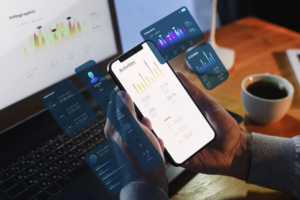
A stock app is a digital platform that provides access to market data and transaction capabilities through connected accounts. It typically combines price discovery, order placement, portfolio tracking, and reporting into one interface.
The primary value of a Stock App lies in efficiency. Investors can monitor holdings, review performance, and respond to market changes without manual processes. However, ease of access should be paired with structured decision-making to avoid reactive behavior.
How Stock Apps Changed Investor Participation
Earlier, market participation involved paperwork and delayed execution. Stock apps replaced this with real-time access and automation.
Key changes include:
- Instant visibility of prices and portfolio value
- Faster execution and confirmation
- Centralized access to holdings and transaction history
These improvements widened participation and reduced operational friction, making markets more accessible across experience levels.
Core Features That Matter
Most stock apps offer a common set of tools designed to support analysis and execution. Understanding which features add value helps investors focus on outcomes rather than activity.
Essential capabilities often include:
- Live price tracking and historical charts
- Order placement and status updates
- Portfolio summaries and performance reports
- Alerts for price levels or execution events
While features are helpful, they are tools, not strategies.
Stock Apps and Long-Term Investing
A Stock App can support long-term Investing when used with intent. Long-term investors prioritize research, allocation, and patience over frequent trades.
Using an app to review fundamentals, track allocation drift, and monitor progress toward goals aligns technology with discipline. Checking prices less frequently and reviewing portfolios periodically helps reduce emotional responses to short-term volatility.
Stock Apps and Trading Behavior
For short-term participants, stock apps offer speed and responsiveness. However, frequent notifications and constant updates can encourage overtrading.
Traders benefit most when they:
- Define entry and exit criteria before execution
- Limit the number of trades per session
- Track outcomes to refine processes
Without rules, convenience can quickly become a source of risk.
Risk Management Within Stock Apps
Risk control remains a personal responsibility. Stock apps provide order types and alerts, but discipline determines outcomes.
Effective practices include:
- Limiting exposure per position
- Avoiding concentration in a single idea
- Reviewing drawdowns objectively
Integrating risk checks into routine use prevents technology from amplifying mistakes.
Data Quality and Decision Support
Stock apps aggregate market data, but investors should understand the context behind numbers. Price movement alone does not convey business quality.
Combining app-based data with fundamental review improves decisions. A Stock App works best as a decision-support layer, not a substitute for analysis.
Security, Privacy, and User Responsibility
Modern platforms implement strong security controls, but users must also practice safe behavior. Secure credentials, device hygiene, and awareness of phishing risks are essential.
Regular reviews of account activity and alerts add another layer of protection. Technology enhances safety, but vigilance completes it.
Avoiding Common Mistakes
New users often equate activity with progress. Constant buying and selling increases costs and emotional stress.
Other common mistakes include:
- Reacting to short-term price noise
- Ignoring allocation and diversification
- Making decisions without a plan
Clarity of goals and a written process reduce these errors.
Measuring Success Beyond Returns
Success should be measured against goals, not daily price changes. Reviewing progress at defined intervals keeps focus on outcomes rather than volatility.
A stock app’s reporting tools can help track contributions, allocation, and long-term growth without encouraging unnecessary action.
Integrating Stock Apps Into a Financial Plan
A Stock App should sit within a broader plan that defines objectives, timelines, and risk tolerance. Technology becomes most effective when it reinforces structure.
Using the app to execute a plan—rather than to discover one—creates consistency and confidence across market cycles.
Conclusion
A Stock App simplifies access to markets, but results depend on how it is used. When aligned with discipline, risk management, and long-term Investing goals, stock apps become powerful enablers rather than distractions. By focusing on process over activity and clarity over speed, investors can use a Stock App to support sustainable market participation.
FAQs
Are stock apps suitable for beginners?
Yes, when paired with education and a clear plan.
Do stock apps increase trading risk?
Risk depends on user behavior, not the app itself.
Can a stock app be used for long-term investing?
Yes. Many investors use them primarily for monitoring and periodic actions.
How often should portfolios be reviewed on a stock app?
Periodic reviews aligned with goals are better than constant monitoring.