
Sustainability has gone from being a niche choice to a main design principle in house renovations. People who own homes now desire places that appear modern, work well, and have less of an impact on the environment, all without sacrificing comfort or durability. Because they use the most resources, bathrooms and kitchens are the best places to make wise, long-lasting choices.
Choosing the right materials is very important for successful bathroom and kitchen remodelling projects. Sustainable solutions are today just as strong, beautiful, and valuable over time as traditional materials, and often even better.
1. Countertop Materials That Are Good for the Environment
Countertops are the main features of kitchens and bathrooms. To be environmentally friendly, you should use materials that last a long time and have a low impact. Recycled glass, sintered stone, and quartz with recycled material are all durable surfaces that are better for the environment.
These materials are resistant to stains, scratches, and dampness, which means they don’t need to be replaced as often. Durable countertops keep their high-end look while reducing waste over time in both kitchen and bathroom upgrades.
2. Eco-Friendly Cabinetry and Finishes for Surfaces
Cabinetry is quite important for both the environment and the quality of the air within. VOCs from adhesives and coatings are typically found in traditional cabinets. Modern eco-friendly cabinets are made with wood or engineered panels that are responsibly sourced and have finishes that have little or no VOCs.
Water-based coatings, bamboo cabinets, and recycled wood goods are all good for the environment and don’t make things weaker or less stylish. These decisions are especially significant in restricted places where the quality of the air has a direct effect on daily life.
3. Fixtures That Save Water and Lower Usage
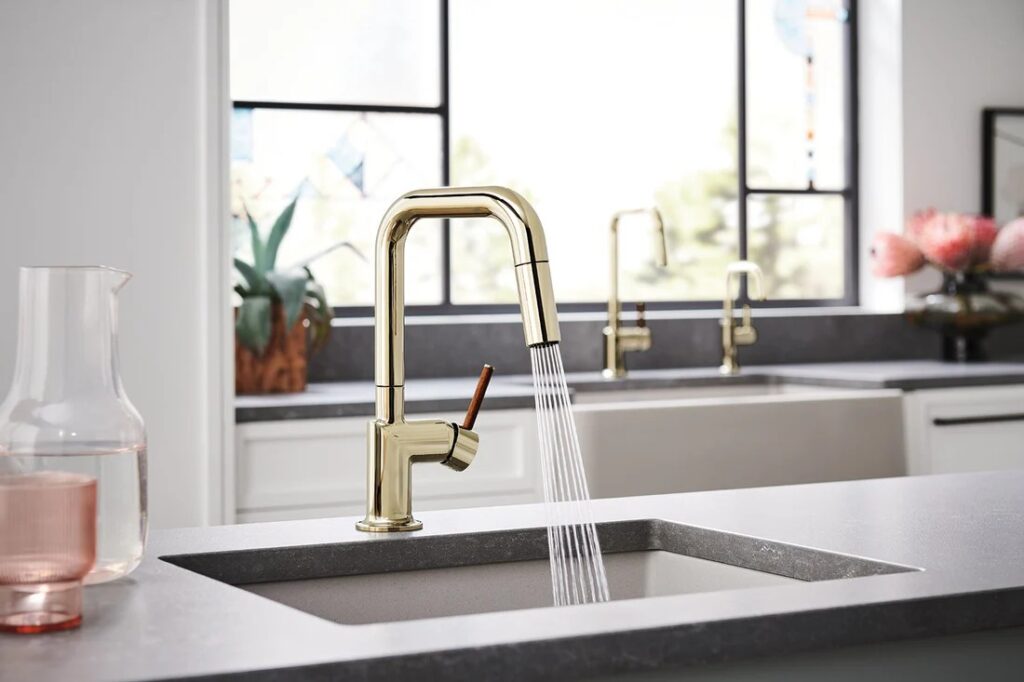
Water conservation is an important part of eco-friendly remodelling. Modern faucets, showerheads, and toilets are designed to work well while using a lot less water.
Low-flow fixtures, dual-flush toilets, and aerated faucets all consume less water without making the experience worse for the user. When you redesign your bathroom, these modifications will save you money on your utility costs right away and help the environment in the long run.
4. Flooring Options That Last and Are Good for the Environment
Durability is a factor in sustainability since flooring has to be able to handle dampness, foot traffic, and regular wear. Porcelain tile, ceramic tile made from recycled materials, luxury vinyl with eco-certifications, and natural stone that is responsibly sourced are all popular eco-friendly options.
These materials last a long time, don’t get wet, and are easy to care for. When you redesign your kitchen, durable flooring means you won’t have to replace it as often, which saves money on materials and remodelling costs over time.
5. Smart Controls and Lighting That Save Energy
People often forget to talk about lighting when they talk about sustainability, yet it has a big effect on how much energy is used. Compared to regular bulbs, LED lights use less power, last longer, and produce less heat.
Smart lighting controls, motion sensors, and dimmers can save even more electricity. Adding energy-efficient lighting to kitchen and bathroom remodelling projects makes them more useful and long-lasting without adding much cost.
Smart Design Is Sustainable Design
Surfaces and fittings that are good for the environment are no longer compromises; they are improvements. Today’s eco-friendly materials are strong, work well, and look good, all while having less of an impact on the environment.
Homeowners can make their bathrooms and kitchens more efficient, healthier, and long-lasting by carefully choosing the materials they use. Designing for sustainability isn’t only about conserving the environment; it’s also about making homes that are smarter and better for the future.