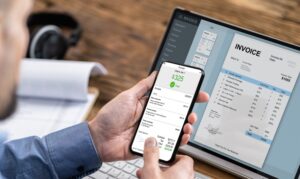

Micro, Small and Medium Enterprises (MSMEs) regularly exchange payments with suppliers, distributors, service providers and other businesses. These transactions may involve inventory purchases, equipment rentals, professional services or outstanding invoices.
As transaction volumes increase, managing payments across several companies can become difficult. Businesses need to record amounts payable, monitor incoming funds, verify invoices and ensure that payments reach the correct accounts.
Digital payment methods can help MSMEs organise these activities without relying entirely on manual records. However, efficient transaction management also requires accurate documentation, payment verification and regular financial reviews.
This article explains how MSMEs can manage cross-company transactions digitally, reduce payment errors and maintain better control over business finances.
What Are Cross-Company Transactions?
Cross-company transactions refer to financial exchanges between two or more separate businesses.
These transactions occur when one company purchases products, receives services, makes advance payments or settles outstanding invoices with another company.
For example, a small clothing retailer may purchase stock worth ₹80,000 from a wholesale supplier.
The retailer records the purchase as a business expense and an amount payable until payment is completed. The supplier records the corresponding sale and receivable according to its accounting arrangements.
Common cross-company transactions include:
- Supplier and vendor payments
- Wholesale purchases
- Distributor settlements
- Business service charges
- Equipment rental payments
- Advance payments for inventory
- Payments against outstanding invoices
Maintaining accurate records of these transactions is important for financial reporting and cash flow management.
Why Digital Transaction Management Matters for MSMEs
Businesses often manage several payments with different amounts, due dates and recipients.
Without an organised system, identifying unpaid invoices or matching transactions with bank statements can become time-consuming.
Digital transaction management may help businesses:
- Maintain records of outgoing payments.
- Track customer and supplier collections.
- Identify pending invoices.
- Review completed transactions.
- Monitor payment due dates.
- Reduce duplicate payment entries.
- Support financial reconciliation.
For example, an MSME dealing with 20 suppliers may have different payment arrangements with each vendor.
Maintaining digital records can help the business understand which invoices have been paid and which still require attention.
How Cross-Company Digital Payments Work
Digital payments between businesses generally involve an invoice, agreed payment terms and an electronic transfer.
Invoice Generation
The supplying business issues an invoice containing the relevant transaction details.
These may include the invoice number, description of goods or services, amount payable and payment terms.
Payment Verification
The purchasing business reviews the invoice and confirms that the details match the agreed purchase.
Payment Authorisation
An authorised employee initiates the transfer through a supported banking or digital payment service.
Transaction Confirmation
After the transfer, the business checks the payment status and retains the relevant reference number.
Record Reconciliation
The completed payment is matched with the corresponding invoice and bank statement.
This final step helps ensure that the transaction is recorded accurately.
Digital Payment Methods Available to MSMEs
Different business transactions may require different payment methods.
UPI Transfers
UPI can support eligible business payments through linked bank accounts.
It may be suitable for certain supplier payments and smaller commercial transactions, subject to applicable limits.
Bank Transfers
Businesses may use supported electronic bank transfer facilities for transactions requiring direct account-to-account payments.
The available transfer method depends on the bank, payment amount and applicable conditions.
Payment Links
Some payment services allow businesses to generate payment links for eligible customer or commercial transactions.
Recipients can review the payment request and complete the transaction through supported methods.
Recurring Payment Arrangements
Eligible recurring business expenses may be managed through authorised payment instructions.
However, supported features, transaction limits and authentication requirements differ between payment arrangements.
How an MSME Loan App Supports Business Payment Planning
An MSME Loan App may help eligible businesses explore financing options when working capital is insufficient to meet planned commercial expenses.
For example, an MSME may need to purchase raw materials before receiving payment for completed customer orders.
Depending on the lender and application, available features may include:
- Loan eligibility information.
- Digital application submission.
- Document verification.
- Application status tracking.
- Loan repayment schedules.
- Outstanding loan balance information.
However, a lending application does not automatically manage supplier transactions, invoices or business accounting.
Businesses should distinguish financing services from payment management tools.
Borrowed funds should be used according to the loan agreement, and repayment commitments should be evaluated against expected business cash flow.
Organising Supplier and Vendor Payment Records
Maintaining separate records for each supplier can help businesses identify outstanding obligations.
A basic vendor payment record may include:
| Payment Information | Example |
| Supplier | Vendor A |
| Invoice number | INV-1045 |
| Invoice amount | ₹45,000 |
| Payment due date | 15 November |
| Amount paid | ₹25,000 |
| Outstanding balance | ₹20,000 |
| Payment status | Partially Paid |
The figures above are illustrative.
This approach helps businesses distinguish fully paid invoices from partially settled transactions.
It also allows authorised employees to review outstanding balances before initiating additional payments.
Managing Payment Approvals Across Teams
As an MSME grows, more employees may become involved in purchasing, invoicing and payment processing.
A clear approval process can help reduce errors.
Assign Payment Responsibilities
Identify which employees can create payment requests, verify invoices and authorise transfers.
Use Approval Limits
Businesses may establish internal approval thresholds based on transaction amounts.
For example, larger supplier payments may require review by a manager or business owner.
Maintain Transaction Evidence
Keep supporting invoices, approval records and payment confirmations.
These documents can help resolve questions about previous transactions.
Common Problems in Cross-Company Payments
Digital transactions can still involve mistakes or delays.
Incorrect recipient information: Payments may be directed to an unintended account if bank details are entered incorrectly.
Duplicate supplier payments: An invoice may be paid twice when previous payment records are not checked.
Delayed customer collections: Late payments from buyers can affect funds available for supplier obligations.
Unmatched transactions: A payment may appear in the bank statement without a clear invoice reference.
Failed transfers: Technical issues or account restrictions may prevent successful payment processing.
Businesses should investigate discrepancies before repeating transfers or changing accounting records.
How to Improve Business Payment Reconciliation
Reconciliation involves comparing internal transaction records with bank statements and other payment information.
Begin by reviewing the payments recorded during a specific period.
Next, compare the amounts and reference numbers with the relevant bank entries.
Check whether each transaction corresponds to a valid invoice or approved business expense.
If an amount does not match, investigate the difference before marking the invoice as settled.
Regular reconciliation can help identify incorrect payments, missing records and outstanding balances.
It is also useful for preparing financial statements and reviewing the business’s working capital position.
Security Practices for Cross-Company Transactions
Businesses should protect banking information and payment authorisation credentials.
Important precautions include:
- Verify supplier account details before the first payment.
- Confirm changes to bank information through trusted channels.
- Restrict payment approval access.
- Avoid sharing passwords or verification codes.
- Review unusual payment requests.
- Maintain secure copies of invoices.
- Revoke access when employees leave the organisation.
For significant payments, businesses may use a separate verification process when a supplier requests changes to its banking details.
This can help reduce the risk of fraudulent account substitution.
Managing B2B Payments and Cash Flow
Effective b2b payments management requires businesses to understand when money is expected to enter and leave their accounts.
For example, an MSME may need to pay a supplier within 15 days while allowing its customers 30 days to settle invoices.
This difference can create a temporary working capital gap.
Maintaining an updated schedule of receivables and payables helps the business identify upcoming obligations.
It also allows owners to review whether existing funds are sufficient or whether payment arrangements need to be discussed with suppliers.
Businesses should regularly monitor outstanding invoices and avoid depending entirely on expected customer payments that have not yet been received.
Conclusion
Managing cross-company transactions digitally can help MSMEs maintain organised payment records and monitor financial obligations.
Digital payment methods support electronic transfers, while invoice tracking and reconciliation help businesses identify completed and outstanding transactions.
Clear approval responsibilities, accurate vendor information and regular cash flow reviews are equally important.
Although financing tools may help eligible businesses address working capital requirements, borrowing should be based on affordability and repayment capacity.
By following consistent payment procedures, MSMEs can reduce transaction errors and maintain clearer records of their commercial activities.
Frequently Asked Questions
1. How Can MSMEs Manage Transactions Between Different Companies?
MSMEs can use supported digital payment methods, maintain invoice records, verify recipient details and reconcile transactions with bank statements.
2. Can MSMEs Use UPI for Business-to-Business Payments?
Yes. Eligible business transactions can be completed through UPI, subject to bank restrictions, transaction limits and supported payment arrangements.
3. How Can Businesses Avoid Duplicate Supplier Payments?
Businesses should match each payment with its invoice, check previous transaction records and verify outstanding balances before authorising another transfer.
4. Can an MSME Loan App Help Manage Working Capital?
An MSME lending application may help eligible businesses explore financing options and track borrowing information, but loan approval and repayment terms depend on the lender’s assessment.